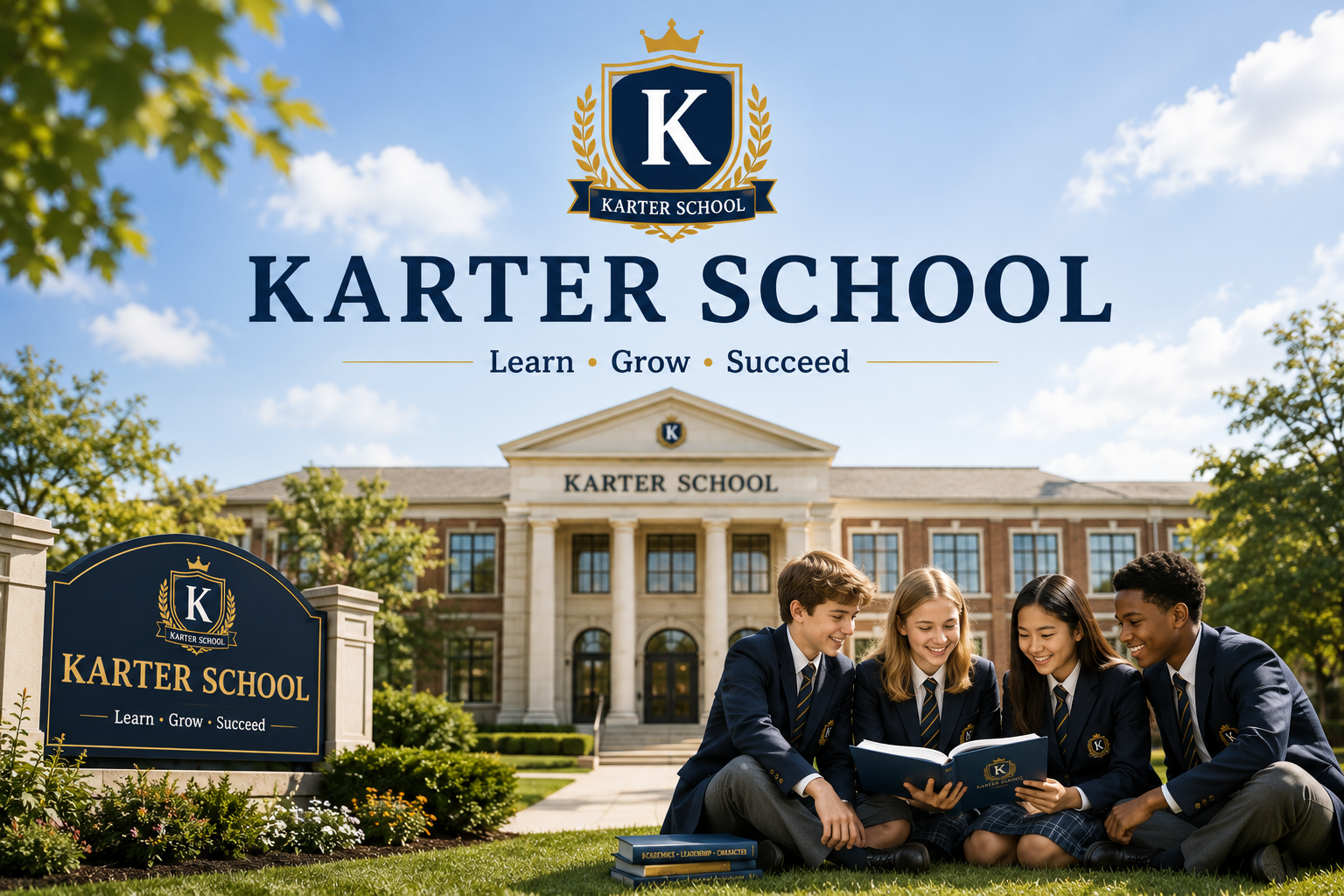

The Complete Guide to Marketing
Marketing refers to the process of promoting and selling products or services through understanding the audience and the market dynamics. This guide delves into crucial aspects of marketing, including its significance and best practices tailored for educational institutions.
What is Marketing?
Marketing encompasses a range of activities aimed at understanding consumer needs and delivering value. It is vital for organizations across industries, ensuring clear communication with potential customers.
Definition and Core Concepts
At its core, marketing involves identifying target audiences and meeting their needs through products or services. This requires comprehensive market research to inform strategies.
Key Components
The 4Ps of marketing—product, price, place, and promotion—are fundamental concepts that guide how organizations present themselves to customers. Each component must align to effectively engage and convert an audience.
Why Marketing Matters
The impact of marketing extends beyond mere transactions; it shapes brand identity and influences customer loyalty, which is essential for sustaining growth in competitive markets.
Business Impact
Strong marketing strategies significantly contribute to a company's success by enhancing visibility, attracting new customers, and nurturing existing relationships.
Industry Trends
With the digital landscape evolving, modern marketing strategies must adapt. Staying abreast of trends such as social media marketing, SEO, and data analytics is crucial to maintain a competitive edge.
Marketing in Educational Institutions
Educational institutions face unique marketing challenges that require tailored strategies to attract and retain students while building community engagement.
Key Point A
Understanding the distinct needs of prospective students can guide how institutions develop their marketing communications.
Key Point B
Effective engagement through responsive communication can significantly influence a student’s decision-making process when choosing an educational path.
Digital Marketing for Education
The digital world offers invaluable tools for educational institutions to enhance their visibility and engagement through varied channels.
Key Point A
Utilizing platforms like social media enables institutions to reach wider audiences, allowing for targeted communication.
Key Point B
SEO strategies, when applied effectively, can greatly amplify an institution's online presence, attracting more inquiries and interactions.
Content Marketing in Education
High-quality content establishes authority and builds trust among prospective students and their families.
Key Point A
Creating engaging and informative content can set institutions apart, positioning them as thought leaders in education.
Key Point B
Well-executed content marketing initiatives not only inform but also inspire action, encouraging students to choose a particular institution.
Branding and Reputation Management in Education
A strong brand identity is vital for educational institutions aiming to foster a positive reputation in a saturated market.
Key Point A
Effective branding strategies can influence perceptions of quality and trustworthiness, leading to increased enrollment.
Key Point B
Maintaining a robust reputation requires ongoing efforts and transparent communication with all stakeholders involved.
Student Recruitment Marketing Strategies
Analyzing data and utilizing storytelling techniques play pivotal roles in attracting the right students.
Key Point A
Data-driven marketing allows institutions to identify trends and make informed decisions about recruitment efforts.
Key Point B
Storytelling in recruitment marketing resonates with potential students, highlighting success stories that appeal to their aspirations.
How to Get Started with Marketing
For institutions ready to implement marketing, a structured approach facilitates the process.
Step 1
Start by identifying your target audience. Understanding their preferences and concerns is the first critical step in effective marketing.
Step 2
Next, develop a marketing strategy that aligns with your audience’s needs and institutional goals, ensuring it is adaptable to shifts in trends.
Step 3
Finally, utilize diverse channels to engage with your audience while continuously evaluating the effectiveness of different approaches to optimize results.
FAQ
What are the core components of marketing? How important is marketing to business success?
Conclusion
Marketing in education is a multifaceted domain that requires an understanding of unique challenges and strategies. By applying effective marketing techniques, institutions can engage their audiences meaningfully, leading to sustained growth and success.
Ready to enhance your marketing strategies? Start exploring tailored approaches for your institution today!
Ready to visit us?
See Karter School of One Loudoun in person — book a free campus tour.
Book a Free Tour